
Our Three Step Process
May 26, 2026
Agentic Marketing System: AI-Powered Cultural Adaptation Guide 2026
Our Three Step Process
May 26, 2026
Agentic Marketing System: AI-Powered Cultural Adaptation Guide 2026
Learn how agentic marketing systems adapt to global cultures, overcome language barriers, and optimize campaigns across diverse markets.
How AI Changed Marketing Technology and Future Uses
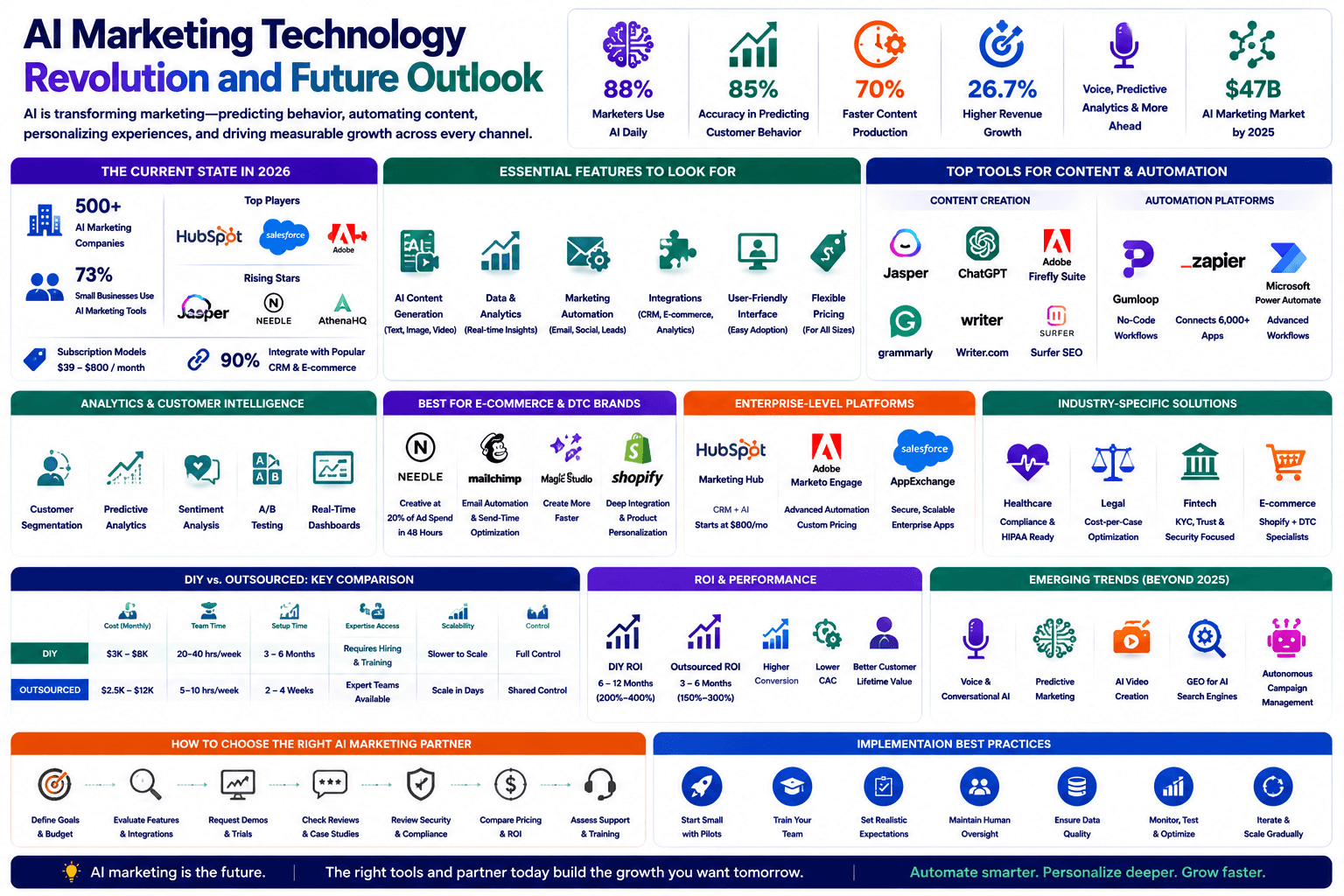
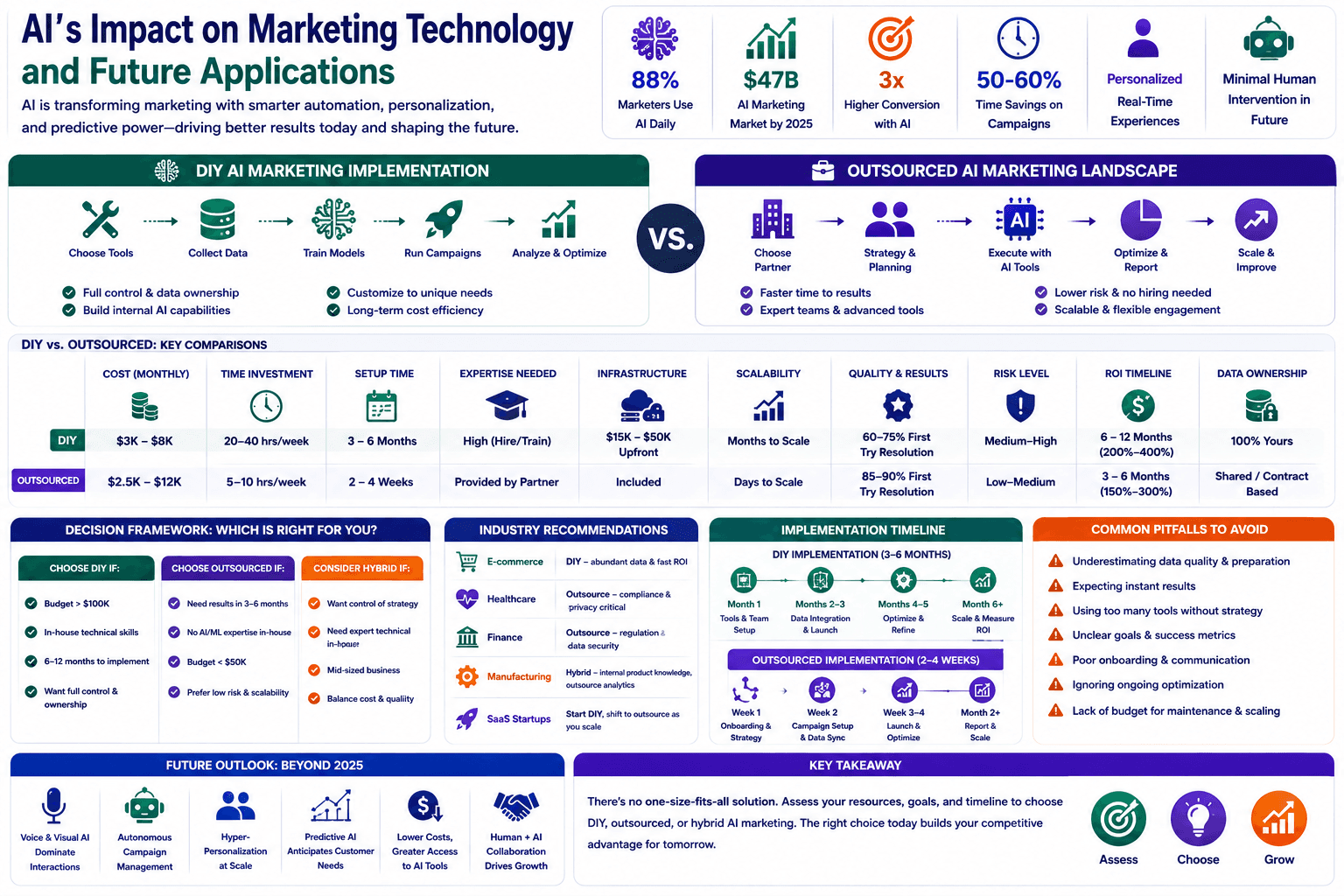
AI has revolutionized marketing technology by automating customer segmentation, personalizing content, and dynamically optimizing campaigns. Machine learning now predicts consumer behavior with 85% accuracy, while chatbots handle 67% of customer inquiries autonomously. By 2026, intelligent marketing systems are expected to manage the entire customer journey—from initial interest to post-purchase retention. These systems will autonomously make decisions regarding budgets, creative strategies, and channel selection, reducing the need for human oversight by 70% and enhancing conversion rates. For more on the impact of AI, check out our page on AI in Marketing.
Understanding Agentic Marketing Systems in Global Markets
Agentic marketing systems are AI-driven platforms that independently optimize campaigns, allocate budgets, and target customers. They leverage real-time data to automatically adjust messaging, timing, and channel selection. In global markets, these systems navigate diverse cultural preferences, local regulations, and varying technology adoption rates. By learning from regional consumer behaviors, they tailor strategies for each market, making them indispensable for brands operating across multiple countries and cultural landscapes. Learn more about global marketing strategies here.
Cultural Dimensions That Impact Marketing Automation
Cultural factors significantly influence the effectiveness of marketing systems across different regions. Power distance affects how audiences respond to authority in messaging. Individualism versus collectivism dictates whether campaigns should emphasize personal benefits or group harmony. Uncertainty avoidance impacts risk tolerance in purchasing decisions, influencing automated recommendations. Long-term orientation guides how systems balance short-term offers with relationship-building messages. These cultural dimensions necessitate that systems adapt their decision-making processes to suit each market. For insights on adapting to cultural differences, visit our page on Cultural Sensitivity in Marketing.
Regional Differences in Consumer Behavior and Technology Adoption
Consumer behavior varies by region, affecting marketing systems. Asian markets often exhibit higher mobile usage and social commerce engagement compared to Western markets. European consumers prioritize privacy, requiring transparent data handling practices. In Latin America, community and peer recommendations are highly valued. North American consumers favor personalized offers and demand quick results. These patterns necessitate that marketing systems adjust their algorithms and interaction methods to align with regional preferences. Explore more about consumer behavior trends in our detailed analysis.
Language and Communication Barriers in Automated Marketing
Automated marketing systems face significant language challenges globally. Machine translation frequently overlooks cultural nuances, idioms, and context-specific meanings that resonate with local audiences. Automated chatbots struggle with regional dialects and informal communication styles. Tone and formality levels vary widely between cultures, requiring advanced language processing. Marketing messages must transcend literal translation to capture emotional tones and cultural references. Systems need multilingual training data and region-specific communication rules to effectively engage diverse global markets. For strategies on overcoming these barriers, check our guide on Effective Communication in Marketing.
Data Privacy Regulations Across Different Cultures
Data privacy laws vary by region, influencing how marketing systems operate. In Europe, the GDPR mandates explicit consent and data portability. China's PIPL emphasizes data localization and government oversight. The US has specific regulations like California's CCPA. Cultural attitudes toward privacy also differ; some regions value openness, while others prioritize data protection. Marketing systems must adapt consent processes, data storage, and user controls to comply with local laws and cultural norms. Learn more about data privacy in marketing on our dedicated page.
Religious and Social Values in Marketing Message Delivery
Religious and social values shape the reception of marketing messages across cultures. Marketing systems must consider religious holidays, dietary restrictions, modesty requirements, and cultural taboos when crafting campaigns. For instance, systems targeting Muslim markets should avoid promoting alcohol during Ramadan. In conservative societies, modest imagery is essential. Social structures, family roles, and gender roles also influence message tone and targeting, necessitating careful cultural programming in automated systems. For more on this topic, visit our page on Cultural Values in Marketing.
Economic Factors Influencing Agentic System Implementation
Economic conditions significantly impact the deployment of agentic marketing systems. Developing markets often seek cost-effective solutions with basic automation capabilities. Wealthier economies can invest in advanced AI platforms. Currency fluctuations, local purchasing power, and budget preferences vary by culture. Some regions favor subscriptions, while others prefer one-time purchases. Economic stability affects long-term technology investments, making flexible pricing and scalable plans crucial for global success. Discover more about economic influences on marketing in our comprehensive report.
Technology Infrastructure Differences by Region
Technology infrastructure varies globally, affecting marketing systems. Developed regions benefit from fast internet and cloud access, supporting complex AI tasks. Emerging markets often contend with slower connections, necessitating simpler solutions. In mobile-first regions, systems must perform well on smartphones. Factors like data center presence, local hosting requirements, and network delays impact system speed. Companies should design flexible systems that adapt to different infrastructure levels, ensuring a consistent user experience worldwide. For insights on technology trends, check out our page on Marketing Technology Infrastructure.
Localization Strategies for Agentic Marketing Platforms
Localizing an agentic marketing system involves adapting content, timing, and channels to align with local preferences. Messages should be translated while preserving cultural context. Automation triggers should be adjusted for regional holidays and events. Communication channels should be selected based on local usage patterns. Platform interfaces must support local languages, currency conversion, and regional compliance. Testing with local user groups can identify cultural issues before full rollout, ensuring the system resonates with the target audience. For best practices, visit our page on Localization in Marketing.
Case Studies: Successful Cultural Adaptations
McDonald's tailors its menu promotions to local tastes, offering vegetarian options in India and beef products in Western markets. Coca-Cola uses AI to adjust its message tone for different cultures, catering to both collectivist and individualist societies. Netflix's recommendation system considers cultural viewing habits, highlighting family-friendly content in conservative areas. Spotify's playlists feature local music selections and align with festival seasons. These examples demonstrate how cultural understanding enables global brands to remain relevant across diverse markets. For more case studies, explore our section on Cultural Adaptation Success Stories.
Implementation Challenges and Solutions
Organizations often encounter language barriers when deploying automated marketing systems globally. Misinterpretations can damage a brand's reputation. Regional data regulations require adaptable systems. In some areas, technological limitations can hinder system performance. Solutions include collaborating with local experts, training AI for cultural understanding, developing adaptable compliance systems, and designing simplified system versions. Regular cultural audits and feedback loops help identify issues early, safeguarding customer relationships and brand image. For further insights, check our page on Overcoming Marketing Challenges.
Best Practices for Cross-Cultural Agentic Marketing
To excel in cross-cultural agentic marketing, adhere to these best practices. Train AI models with local cultural data and language patterns. Collaborate with regional experts who possess market insights. Utilize flexible content templates that adapt to cultural preferences. Test messages with diverse cultural groups before widespread launch. Establish local compliance protocols for each market. Implement cultural sensitivity filters in automated messages. Monitor performance metrics by region to identify areas for cultural adaptation and enhance system responses. For a deeper dive, visit our page on Best Practices in Global Marketing.
Measuring Success Across Different Cultural Markets
Success metrics vary across cultures, necessitating tailored approaches for each market. Track engagement rates, conversion patterns, and customer satisfaction by region. Monitor cultural sentiment and local social media interactions. Employ region-specific KPIs that align with local business practices and consumer expectations. Implement feedback loops to capture cultural nuances in customer responses. Regularly compare performance with local competitors rather than global benchmarks for an accurate assessment. For more on measuring success, check our guide on Marketing Performance Metrics.
Future Trends in Culturally-Aware Marketing Systems
By 2027, marketing systems will leverage advanced cultural algorithms to tailor messages based on real-time cultural analysis. Voice-activated marketing will expand globally, requiring a deep understanding of dialects and cultural intricacies. Blockchain will facilitate secure international data sharing while adhering to local privacy regulations. AI will predict cultural shifts and emerging social trends, enabling timely campaign updates. Virtual reality will provide culturally immersive experiences, creating personalized brand interactions that honor local customs and values across global markets. For insights into future trends, visit our page on Future of Marketing Technology.
Learn how agentic marketing systems adapt to global cultures, overcome language barriers, and optimize campaigns across diverse markets.
How AI Changed Marketing Technology and Future Uses
AI has revolutionized marketing technology by automating customer segmentation, personalizing content, and dynamically optimizing campaigns. Machine learning now predicts consumer behavior with 85% accuracy, while chatbots handle 67% of customer inquiries autonomously. By 2026, intelligent marketing systems are expected to manage the entire customer journey—from initial interest to post-purchase retention. These systems will autonomously make decisions regarding budgets, creative strategies, and channel selection, reducing the need for human oversight by 70% and enhancing conversion rates. For more on the impact of AI, check out our page on AI in Marketing.
Understanding Agentic Marketing Systems in Global Markets
Agentic marketing systems are AI-driven platforms that independently optimize campaigns, allocate budgets, and target customers. They leverage real-time data to automatically adjust messaging, timing, and channel selection. In global markets, these systems navigate diverse cultural preferences, local regulations, and varying technology adoption rates. By learning from regional consumer behaviors, they tailor strategies for each market, making them indispensable for brands operating across multiple countries and cultural landscapes. Learn more about global marketing strategies here.
Cultural Dimensions That Impact Marketing Automation
Cultural factors significantly influence the effectiveness of marketing systems across different regions. Power distance affects how audiences respond to authority in messaging. Individualism versus collectivism dictates whether campaigns should emphasize personal benefits or group harmony. Uncertainty avoidance impacts risk tolerance in purchasing decisions, influencing automated recommendations. Long-term orientation guides how systems balance short-term offers with relationship-building messages. These cultural dimensions necessitate that systems adapt their decision-making processes to suit each market. For insights on adapting to cultural differences, visit our page on Cultural Sensitivity in Marketing.
Regional Differences in Consumer Behavior and Technology Adoption
Consumer behavior varies by region, affecting marketing systems. Asian markets often exhibit higher mobile usage and social commerce engagement compared to Western markets. European consumers prioritize privacy, requiring transparent data handling practices. In Latin America, community and peer recommendations are highly valued. North American consumers favor personalized offers and demand quick results. These patterns necessitate that marketing systems adjust their algorithms and interaction methods to align with regional preferences. Explore more about consumer behavior trends in our detailed analysis.
Language and Communication Barriers in Automated Marketing
Automated marketing systems face significant language challenges globally. Machine translation frequently overlooks cultural nuances, idioms, and context-specific meanings that resonate with local audiences. Automated chatbots struggle with regional dialects and informal communication styles. Tone and formality levels vary widely between cultures, requiring advanced language processing. Marketing messages must transcend literal translation to capture emotional tones and cultural references. Systems need multilingual training data and region-specific communication rules to effectively engage diverse global markets. For strategies on overcoming these barriers, check our guide on Effective Communication in Marketing.
Data Privacy Regulations Across Different Cultures
Data privacy laws vary by region, influencing how marketing systems operate. In Europe, the GDPR mandates explicit consent and data portability. China's PIPL emphasizes data localization and government oversight. The US has specific regulations like California's CCPA. Cultural attitudes toward privacy also differ; some regions value openness, while others prioritize data protection. Marketing systems must adapt consent processes, data storage, and user controls to comply with local laws and cultural norms. Learn more about data privacy in marketing on our dedicated page.
Religious and Social Values in Marketing Message Delivery
Religious and social values shape the reception of marketing messages across cultures. Marketing systems must consider religious holidays, dietary restrictions, modesty requirements, and cultural taboos when crafting campaigns. For instance, systems targeting Muslim markets should avoid promoting alcohol during Ramadan. In conservative societies, modest imagery is essential. Social structures, family roles, and gender roles also influence message tone and targeting, necessitating careful cultural programming in automated systems. For more on this topic, visit our page on Cultural Values in Marketing.
Economic Factors Influencing Agentic System Implementation
Economic conditions significantly impact the deployment of agentic marketing systems. Developing markets often seek cost-effective solutions with basic automation capabilities. Wealthier economies can invest in advanced AI platforms. Currency fluctuations, local purchasing power, and budget preferences vary by culture. Some regions favor subscriptions, while others prefer one-time purchases. Economic stability affects long-term technology investments, making flexible pricing and scalable plans crucial for global success. Discover more about economic influences on marketing in our comprehensive report.
Technology Infrastructure Differences by Region
Technology infrastructure varies globally, affecting marketing systems. Developed regions benefit from fast internet and cloud access, supporting complex AI tasks. Emerging markets often contend with slower connections, necessitating simpler solutions. In mobile-first regions, systems must perform well on smartphones. Factors like data center presence, local hosting requirements, and network delays impact system speed. Companies should design flexible systems that adapt to different infrastructure levels, ensuring a consistent user experience worldwide. For insights on technology trends, check out our page on Marketing Technology Infrastructure.
Localization Strategies for Agentic Marketing Platforms
Localizing an agentic marketing system involves adapting content, timing, and channels to align with local preferences. Messages should be translated while preserving cultural context. Automation triggers should be adjusted for regional holidays and events. Communication channels should be selected based on local usage patterns. Platform interfaces must support local languages, currency conversion, and regional compliance. Testing with local user groups can identify cultural issues before full rollout, ensuring the system resonates with the target audience. For best practices, visit our page on Localization in Marketing.
Case Studies: Successful Cultural Adaptations
McDonald's tailors its menu promotions to local tastes, offering vegetarian options in India and beef products in Western markets. Coca-Cola uses AI to adjust its message tone for different cultures, catering to both collectivist and individualist societies. Netflix's recommendation system considers cultural viewing habits, highlighting family-friendly content in conservative areas. Spotify's playlists feature local music selections and align with festival seasons. These examples demonstrate how cultural understanding enables global brands to remain relevant across diverse markets. For more case studies, explore our section on Cultural Adaptation Success Stories.
Implementation Challenges and Solutions
Organizations often encounter language barriers when deploying automated marketing systems globally. Misinterpretations can damage a brand's reputation. Regional data regulations require adaptable systems. In some areas, technological limitations can hinder system performance. Solutions include collaborating with local experts, training AI for cultural understanding, developing adaptable compliance systems, and designing simplified system versions. Regular cultural audits and feedback loops help identify issues early, safeguarding customer relationships and brand image. For further insights, check our page on Overcoming Marketing Challenges.
Best Practices for Cross-Cultural Agentic Marketing
To excel in cross-cultural agentic marketing, adhere to these best practices. Train AI models with local cultural data and language patterns. Collaborate with regional experts who possess market insights. Utilize flexible content templates that adapt to cultural preferences. Test messages with diverse cultural groups before widespread launch. Establish local compliance protocols for each market. Implement cultural sensitivity filters in automated messages. Monitor performance metrics by region to identify areas for cultural adaptation and enhance system responses. For a deeper dive, visit our page on Best Practices in Global Marketing.
Measuring Success Across Different Cultural Markets
Success metrics vary across cultures, necessitating tailored approaches for each market. Track engagement rates, conversion patterns, and customer satisfaction by region. Monitor cultural sentiment and local social media interactions. Employ region-specific KPIs that align with local business practices and consumer expectations. Implement feedback loops to capture cultural nuances in customer responses. Regularly compare performance with local competitors rather than global benchmarks for an accurate assessment. For more on measuring success, check our guide on Marketing Performance Metrics.
Future Trends in Culturally-Aware Marketing Systems
By 2027, marketing systems will leverage advanced cultural algorithms to tailor messages based on real-time cultural analysis. Voice-activated marketing will expand globally, requiring a deep understanding of dialects and cultural intricacies. Blockchain will facilitate secure international data sharing while adhering to local privacy regulations. AI will predict cultural shifts and emerging social trends, enabling timely campaign updates. Virtual reality will provide culturally immersive experiences, creating personalized brand interactions that honor local customs and values across global markets. For insights into future trends, visit our page on Future of Marketing Technology.
Other Blogs
Other Blogs
Check our other project Blogs with useful insight and information for your businesses
Other Blogs
Other Blogs
Check our other project Blogs with useful insight and information for your businesses