Our Three Step Process
26 มกราคม 2569
The Future of Agentic Marketing Systems in 2026 | HireGrowth
Our Three Step Process
26 มกราคม 2569
The Future of Agentic Marketing Systems in 2026 | HireGrowth
Discover how autonomous marketing systems will transform campaigns, personalization, and ROI by 2026. Get ahead with AI-powered growth strategies.
Autonomous Campaign Management
By 2026, marketing systems will autonomously manage campaigns, eliminating the need for human input. These advanced systems will independently launch, monitor, and optimize campaigns across various channels. They will instantly analyze performance data, reallocate budgets to the most effective channels, and adjust creative elements based on audience reactions. As a result, over 70% of large marketing teams are expected to adopt these systems, reducing campaign launch times by up to 85% and increasing conversion rates by 30-40%. For more on optimizing your campaigns, check out our Budget Allocation and ROI Optimization.
Personalized Customer Experiences
Marketing systems will deliver unique experiences tailored to each customer by 2026. These systems will analyze data such as purchase history and weather to craft personalized content and offers. According to Talkwalker's 2026 report, companies utilizing these systems have seen engagement rates increase by up to 45% and customer lifetime value rise by 28% on average.
Predictive Trend Identification
In 2026, marketing systems will proactively identify emerging trends by monitoring market conditions, consumer behavior, and competitor actions. They will analyze vast amounts of data from social media, news, and search queries to detect patterns that might be missed by humans. Bernard Marr's 2026 tech trends report indicates that AI copilots will be integrated into 80% of enterprise applications, providing marketing teams with a competitive edge by capitalizing on new consumer interests early.
Content Creation and Optimization
By 2026, marketing systems will autonomously create, test, and refine content across all channels. These systems will generate multiple versions of ads, emails, social media posts, and video scripts tailored to diverse audiences. They will test these variations and use performance data to enhance future content. According to IDC, by 2026, 40% of G2000 jobs will involve collaboration with AI agents, allowing marketers to focus on creative direction. Explore more about this in our Automated Market Research section.
Competitor Analysis and Response
Agentic marketing systems in 2026 will offer real-time competitive insights by monitoring competitor activities on digital platforms. They will track changes in pricing, promotions, content strategies, and customer feedback, enabling swift development and execution of response strategies. When competitors launch new promotions, these systems will assess the impact and implement countermeasures immediately, reducing response times from weeks to minutes.
Budget Allocation and ROI Optimization
By 2026, marketing systems will revolutionize budget management by analyzing performance across all channels and reallocating funds to maximize ROI. They will employ advanced models to evaluate the impact of each marketing action on sales and customer value. Research indicates that companies using these systems have improved ROI by 35-50% compared to traditional methods.
Customer Service Integration
In 2026, marketing systems will seamlessly integrate with customer service operations, sharing customer data between marketing and service teams in real-time. This ensures consistent messaging across all touchpoints. When customers seek support after engaging with a marketing campaign, service agents will have access to their journey, including ads viewed and past interactions, enhancing customer satisfaction and increasing cross-sell opportunities.
Automated Market Research
By 2026, automated marketing systems will transform market research by continuously collecting and analyzing consumer feedback from various sources. These systems will monitor social media, review sites, customer support, and direct feedback to identify emerging issues and opportunities. Unlike traditional research, which provides periodic updates, automated systems will deliver real-time insights that marketing teams can act on immediately. According to Talkwalker, 72% of marketers are now comfortable using AI to summarize data.
Dynamic Pricing Optimization
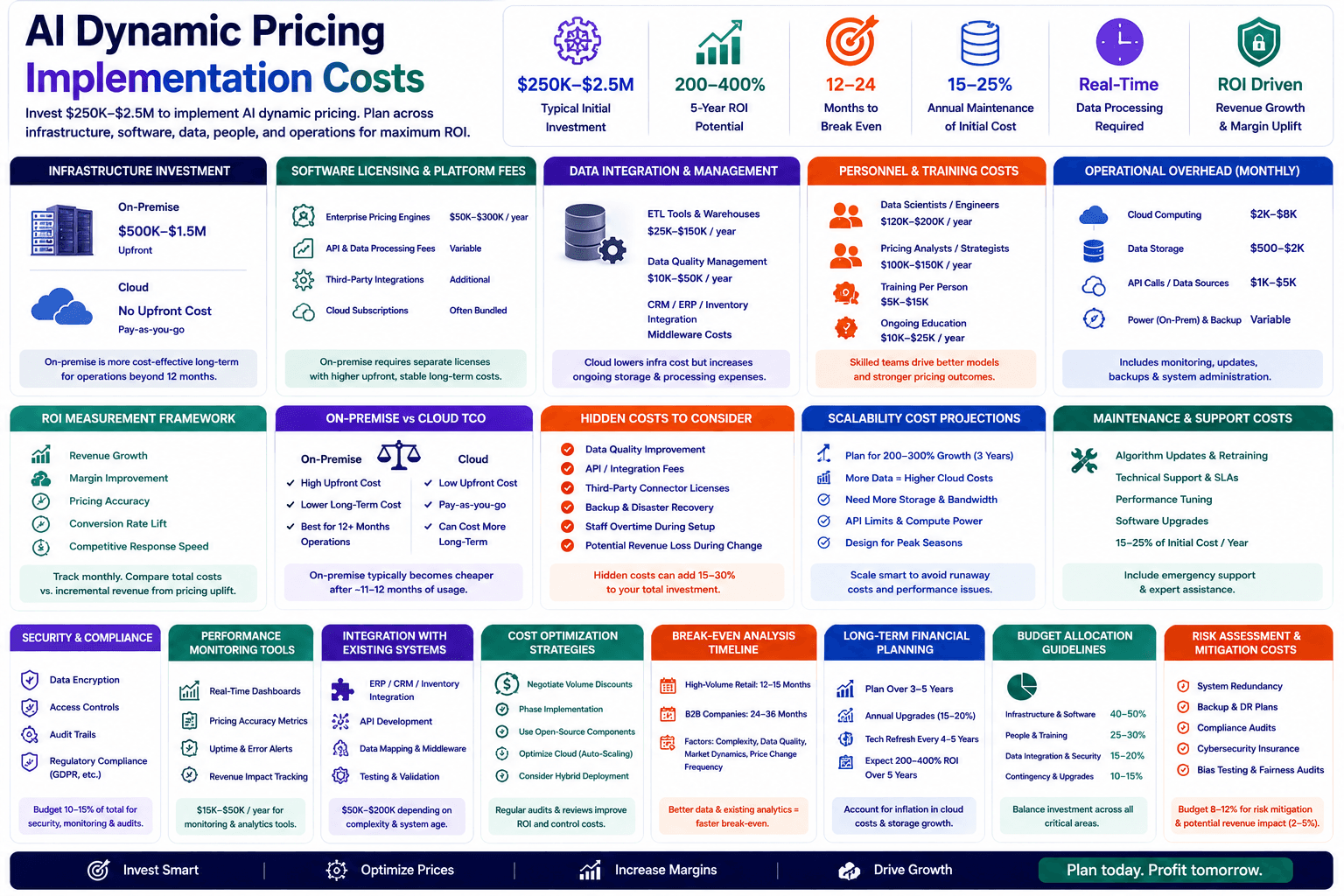
In 2026, marketing systems will employ dynamic pricing to optimize revenue and maintain customer satisfaction. These systems will analyze market trends, competitor prices, stock levels, customer value, and demand to set optimal prices instantaneously. For online retailers, this means adjusting prices multiple times a day, while subscription services can offer customized pricing plans. IDC reports that AI-driven pricing has increased revenue by 5-15% without compromising customer satisfaction.
Cross-Channel Attribution and Analysis
By 2026, marketing systems will track conversions across multiple touchpoints using machine learning to analyze customer journeys. This approach will reveal how each marketing action influences purchasing decisions, moving beyond last-click models to demonstrate the synergy between various channels. Bernard Marr's 2026 trends report highlights the importance of detailed tracking as marketing channels proliferate and customer journeys become more complex.
Regulatory Compliance Management
In 2026, marketing systems will automatically ensure compliance with regulations across different regions. They will stay updated on privacy laws and advertising rules, checking for compliance with laws like GDPR and CCPA before launching campaigns or collecting customer data. If issues arise, the system will either make automatic adjustments or alert marketers for review, reducing legal risks and saving time.
Influencer Relationship Management
By 2026, marketing systems will revolutionize influencer partnerships by automating the identification and management process. They will analyze social media data to align influencers with brand objectives and track performance and feedback to optimize partnership terms. According to a Talkwalker report for 2026, companies using these systems have improved efficiency by 60-70% and achieved better program outcomes.
Customer Lifetime Value Optimization
In 2026, marketing systems will prioritize enhancing customer lifetime value over merely acquiring new customers. These systems will analyze behavior patterns to identify opportunities for cross-selling, upselling, and maintaining engagement throughout the customer journey. By understanding customer preferences, purchase history, and potential future value, these systems will develop personalized strategies to retain customers before they show signs of churn. IDC's FutureScape 2026 indicates that companies combining human and AI collaboration can achieve operating margins up to 15% higher than those relying solely on automation, with customer lifetime value being a key metric.
Creating a Smooth Omnichannel Experience
By 2026, marketing systems will deliver seamless omnichannel experiences by coordinating messaging across all customer touchpoints. These systems will ensure consistent branding, whether customers engage via social media, email, websites, mobile apps, or in-store visits. The focus will be on maintaining context across channels and devices. For instance, if a customer browses products on mobile but doesn't purchase, the system might send a personalized email and sync with in-store systems to continue the personalized experience during visits.
Autonomous Marketing Strategy Development
By 2026, automated marketing systems will develop strategies with minimal human intervention. These systems will analyze market trends, competition, company strengths, and business goals to propose strategies aligned with business objectives. While marketers will still guide creative concepts and approve major changes, the system will handle much of the planning currently occupying marketing leaders' time, significantly transforming the CMO role.
Discover how autonomous marketing systems will transform campaigns, personalization, and ROI by 2026. Get ahead with AI-powered growth strategies.
Autonomous Campaign Management
By 2026, marketing systems will autonomously manage campaigns, eliminating the need for human input. These advanced systems will independently launch, monitor, and optimize campaigns across various channels. They will instantly analyze performance data, reallocate budgets to the most effective channels, and adjust creative elements based on audience reactions. As a result, over 70% of large marketing teams are expected to adopt these systems, reducing campaign launch times by up to 85% and increasing conversion rates by 30-40%. For more on optimizing your campaigns, check out our Budget Allocation and ROI Optimization.
Personalized Customer Experiences
Marketing systems will deliver unique experiences tailored to each customer by 2026. These systems will analyze data such as purchase history and weather to craft personalized content and offers. According to Talkwalker's 2026 report, companies utilizing these systems have seen engagement rates increase by up to 45% and customer lifetime value rise by 28% on average.
Predictive Trend Identification
In 2026, marketing systems will proactively identify emerging trends by monitoring market conditions, consumer behavior, and competitor actions. They will analyze vast amounts of data from social media, news, and search queries to detect patterns that might be missed by humans. Bernard Marr's 2026 tech trends report indicates that AI copilots will be integrated into 80% of enterprise applications, providing marketing teams with a competitive edge by capitalizing on new consumer interests early.
Content Creation and Optimization
By 2026, marketing systems will autonomously create, test, and refine content across all channels. These systems will generate multiple versions of ads, emails, social media posts, and video scripts tailored to diverse audiences. They will test these variations and use performance data to enhance future content. According to IDC, by 2026, 40% of G2000 jobs will involve collaboration with AI agents, allowing marketers to focus on creative direction. Explore more about this in our Automated Market Research section.
Competitor Analysis and Response
Agentic marketing systems in 2026 will offer real-time competitive insights by monitoring competitor activities on digital platforms. They will track changes in pricing, promotions, content strategies, and customer feedback, enabling swift development and execution of response strategies. When competitors launch new promotions, these systems will assess the impact and implement countermeasures immediately, reducing response times from weeks to minutes.
Budget Allocation and ROI Optimization
By 2026, marketing systems will revolutionize budget management by analyzing performance across all channels and reallocating funds to maximize ROI. They will employ advanced models to evaluate the impact of each marketing action on sales and customer value. Research indicates that companies using these systems have improved ROI by 35-50% compared to traditional methods.
Customer Service Integration
In 2026, marketing systems will seamlessly integrate with customer service operations, sharing customer data between marketing and service teams in real-time. This ensures consistent messaging across all touchpoints. When customers seek support after engaging with a marketing campaign, service agents will have access to their journey, including ads viewed and past interactions, enhancing customer satisfaction and increasing cross-sell opportunities.
Automated Market Research
By 2026, automated marketing systems will transform market research by continuously collecting and analyzing consumer feedback from various sources. These systems will monitor social media, review sites, customer support, and direct feedback to identify emerging issues and opportunities. Unlike traditional research, which provides periodic updates, automated systems will deliver real-time insights that marketing teams can act on immediately. According to Talkwalker, 72% of marketers are now comfortable using AI to summarize data.
Dynamic Pricing Optimization
In 2026, marketing systems will employ dynamic pricing to optimize revenue and maintain customer satisfaction. These systems will analyze market trends, competitor prices, stock levels, customer value, and demand to set optimal prices instantaneously. For online retailers, this means adjusting prices multiple times a day, while subscription services can offer customized pricing plans. IDC reports that AI-driven pricing has increased revenue by 5-15% without compromising customer satisfaction.
Cross-Channel Attribution and Analysis
By 2026, marketing systems will track conversions across multiple touchpoints using machine learning to analyze customer journeys. This approach will reveal how each marketing action influences purchasing decisions, moving beyond last-click models to demonstrate the synergy between various channels. Bernard Marr's 2026 trends report highlights the importance of detailed tracking as marketing channels proliferate and customer journeys become more complex.
Regulatory Compliance Management
In 2026, marketing systems will automatically ensure compliance with regulations across different regions. They will stay updated on privacy laws and advertising rules, checking for compliance with laws like GDPR and CCPA before launching campaigns or collecting customer data. If issues arise, the system will either make automatic adjustments or alert marketers for review, reducing legal risks and saving time.
Influencer Relationship Management
By 2026, marketing systems will revolutionize influencer partnerships by automating the identification and management process. They will analyze social media data to align influencers with brand objectives and track performance and feedback to optimize partnership terms. According to a Talkwalker report for 2026, companies using these systems have improved efficiency by 60-70% and achieved better program outcomes.
Customer Lifetime Value Optimization
In 2026, marketing systems will prioritize enhancing customer lifetime value over merely acquiring new customers. These systems will analyze behavior patterns to identify opportunities for cross-selling, upselling, and maintaining engagement throughout the customer journey. By understanding customer preferences, purchase history, and potential future value, these systems will develop personalized strategies to retain customers before they show signs of churn. IDC's FutureScape 2026 indicates that companies combining human and AI collaboration can achieve operating margins up to 15% higher than those relying solely on automation, with customer lifetime value being a key metric.
Creating a Smooth Omnichannel Experience
By 2026, marketing systems will deliver seamless omnichannel experiences by coordinating messaging across all customer touchpoints. These systems will ensure consistent branding, whether customers engage via social media, email, websites, mobile apps, or in-store visits. The focus will be on maintaining context across channels and devices. For instance, if a customer browses products on mobile but doesn't purchase, the system might send a personalized email and sync with in-store systems to continue the personalized experience during visits.
Autonomous Marketing Strategy Development
By 2026, automated marketing systems will develop strategies with minimal human intervention. These systems will analyze market trends, competition, company strengths, and business goals to propose strategies aligned with business objectives. While marketers will still guide creative concepts and approve major changes, the system will handle much of the planning currently occupying marketing leaders' time, significantly transforming the CMO role.
บล็อกอื่น ๆ
บล็อกอื่น ๆ
ตรวจสอบบล็อกโครงการอื่น ๆ ของเราที่มีข้อมูลเชิงลึกและข้อมูลที่เป็นประโยชน์สำหรับธุรกิจของคุณ
บล็อกอื่น ๆ
บล็อกอื่น ๆ
ตรวจสอบบล็อกโครงการอื่น ๆ ของเราที่มีข้อมูลเชิงลึกและข้อมูลที่เป็นประโยชน์สำหรับธุรกิจของคุณ